Getting Started with a Personal Tarot Practice
A simple approach to a powerful reflective tool.
The products shared in this post are not affiliate links. I’m sharing them simply because I use and respect them, and I’ve taken care to prioritize ethical, values-aligned companies and creators whenever possible.
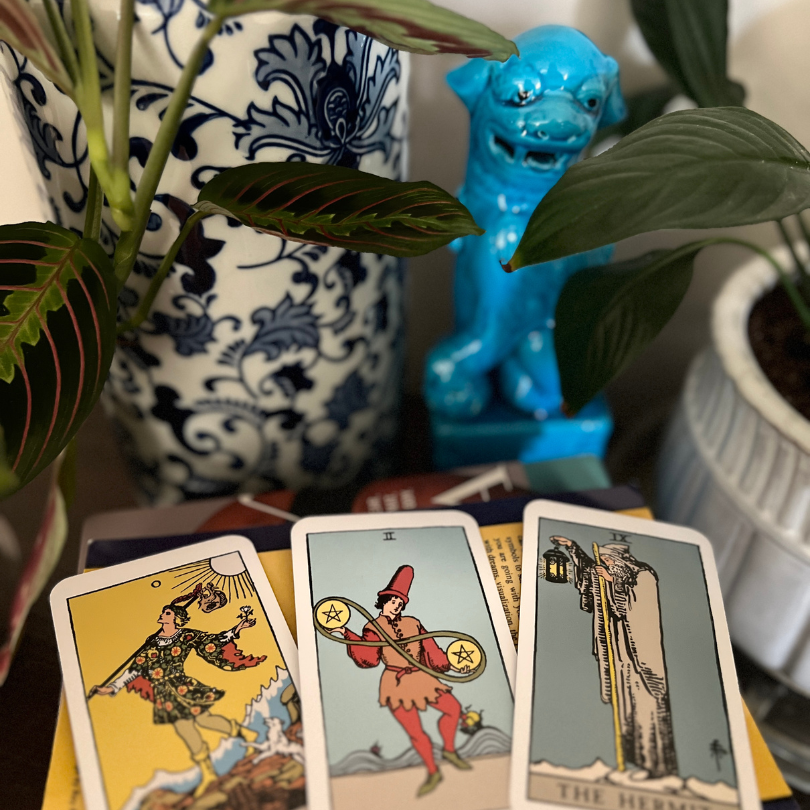
A personal tarot practice doesn’t need to be elaborate or time-consuming… it only needs to be meaningful to you. You don’t need to memorize card meanings, perform a perfect ritual, or pull profound insight every time you sit down with the cards. What matters more is approaching tarot as a reflective practice: something that helps you slow down, check in, and pay attention.
Some tarot teachers caution against reading for yourself, noting the subjectivity that can arise with self-interpretation. Like any personal reflective practice, working with tarot in this way requires honesty and self-awareness. When those qualities are present, tarot can serve as a powerful mirror, offering insight not through prediction, but through noticing patterns, emotions, and inner movements that might otherwise go unexamined.
This simple ritual is designed to support that process by helping you engage with the cards as a tool for reflection rather than something that tells you what will happen next. Think of it as a framework to get you started, from which you can build your own practice that is unique to you.
You can return to your practice daily, weekly, or anytime you feel the urge to orient yourself inward. Keep it simple. Keep it consistent. Not every pull will be a breakthrough, and that is okay. Over time, the value comes from the relationship you build with the practice itself.

What is Tarot?
A tarot deck contains 78 cards, as opposed to oracle decks, which can have any number of cards. These 78 cards are divided into two main groups: the Major Arcana, which explore larger life themes and archetypal experiences, and the Minor Arcana, which reflect everyday situations, emotional states, and patterns of behavior.
Each card carries meaning through imagery, symbolism, and structure. While there are established interpretations for each card, tarot is not a fixed system with one correct answer. The images invite reflection, prompting you to notice what stands out, what resonates, and how the symbols connect to your own inner landscape.
There are many questions and differing opinions about the origins of tarot. Some historians and practitioners view it primarily as a card game that emerged in Europe in the 15th century and later took on symbolic meaning, while others understand it as a spiritual or divinely inspired tool. The truth is that we do not know exactly how tarot came to be or how it was first intended to be used, and that uncertainty is part of its history. What matters less than its origin story is how the cards are used today as a tool for reflection, meaning-making, and self-inquiry.
Today, many people use tarot not to predict the future, but as a reflective practice, similar to journaling or meditation. In this context, tarot does not offer answers so much as it helps you ask better questions.
stay connected
join my mailing list for the occasional inbox gem, including a monthly newsletter sent the day before each New Moon.
What You’ll Need to Begin
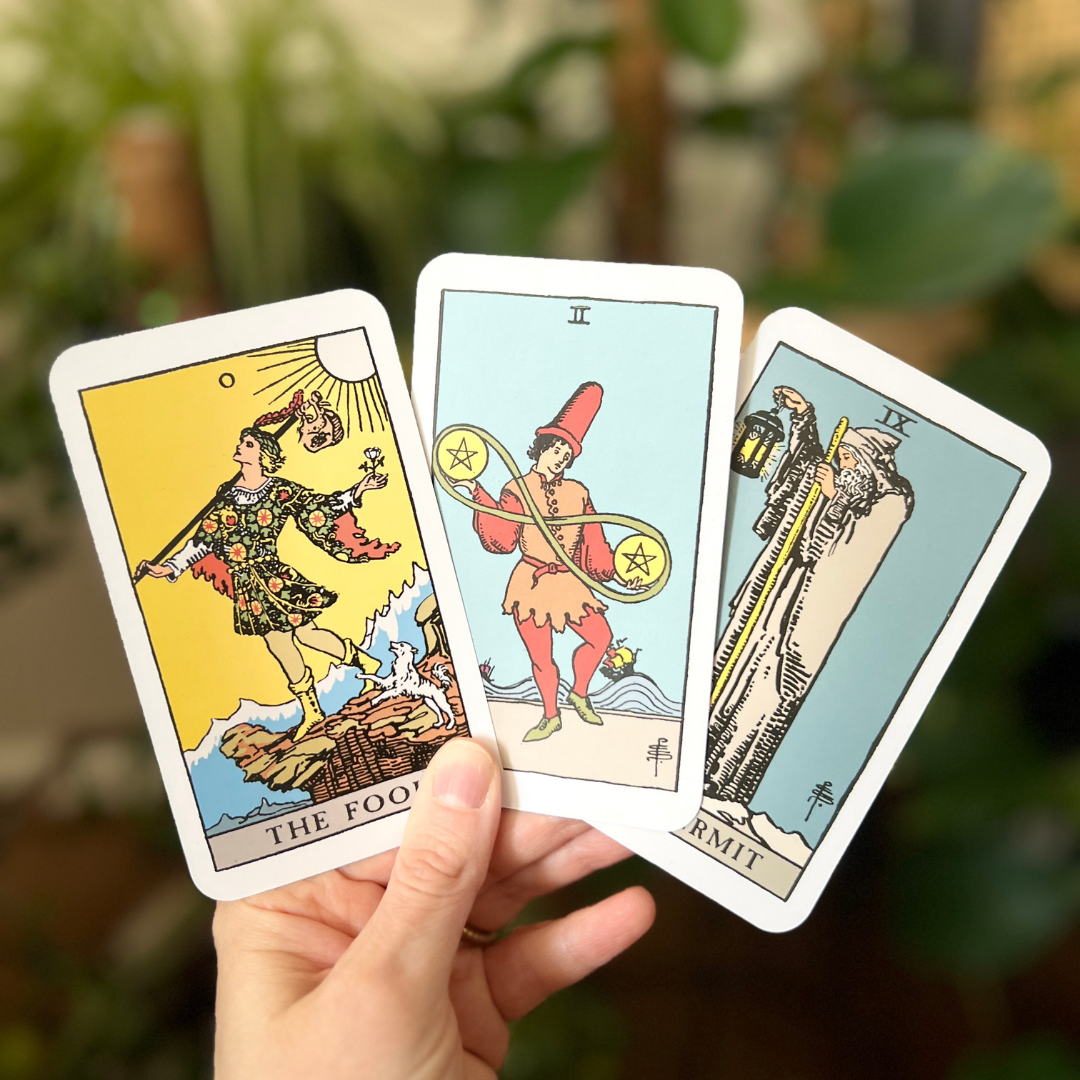
At its most basic, all you need is a tarot deck and a few quiet minutes. If you are just starting out, the Rider Waite Smith deck can be a helpful place to begin, especially since many tarot references and guidebooks are written with this imagery in mind. That said, you may also feel drawn to a different deck, and that is just as valid. This is your practice. As you refine it over time, you might work with multiple decks or rotate them depending on what you need.
Some people like to store their deck in a special place: on their alter, in a designated box, maybe even wrapped in a cloth that has meaning. I keep my deck wrapped in my beloved grandmother’s handkerchief. This is not required, but it can be a way to mark it as meaningful.
Small sensory cues can also be supportive. Lighting a candle can punctuate the beginning of your practice, while incense, such as nag champa, can offer an olfactory anchor that helps you settle in. Others may prefer to cleanse the space with palo santo or another method that feels grounding to them. (Please practice fire safety here folks).
If you have favorite crystals, gemstones, or treasured objects, you are welcome to place them nearby. Think of these additions as optional supports rather than necessities.
It can also be helpful to have a designated notebook on hand to write down your reflections. Some people enjoy keeping simple notes, while others track their readings more intentionally. I like to use tarot stickers to mark spreads (and who doesn’t love stickers?) And I keep a log in the back of the notebook with the date, type of spread, and cards drawn. Over time, this kind of record can reveal patterns and deepen your relationship with the practice.
Take what resonates, leave the rest, and allow your practice to evolve in a way that feels natural and personal.

Settling In
Many experienced tarot teachers emphasize that how you arrive at the cards matters just as much as how you interpret them. This moment does not need to be ceremonial or elaborate. It simply asks for your presence.
Take a few slow breaths. Let your body settle. Notice what is already happening in your thoughts, emotions, or physical sensations. There is no need to completely clear your mind or reach a particular state. You are simply orienting yourself to the moment.
Some practitioners like to silently name an intention or question. Others prefer to hold the deck and sit quietly for a few moments before moving on. There is no single correct approach.
This step reflects a common theme across many tarot traditions. Tarot tends to work best when approached with curiosity rather than urgency, and with openness rather than a demand for certainty. What matters most is creating a brief pause that helps you shift from doing into listening.
Setting the Intention
Before shuffling the cards, it can be helpful to take a moment to consider your intention for the reading. Some people like to hold a specific question in mind, while others prefer a more open-ended focus. Questions such as “What do I need to know right now?” or “What is asking for my attention this week?” are often enough. In general, open-ended questions tend to work best. Rather than asking yes or no questions, consider prompts that invite exploration, reflection, or insight.
This is also the point where you might decide whether you want to use a spread. A spread is simply a structure for organizing cards and does not need to be complex. Many tarot teachers recommend starting with simple layouts, especially when developing a personal practice.
Three-card spreads are a common choice, offering enough depth without becoming overwhelming. Examples include past, present, and future, or situation, challenge, and guidance. These structures provide gentle orientation while still leaving room for intuition and personal meaning.
If you are looking for ideas, many tarot reference books include a wide range of spreads, and I’ve linked several of my favorites below. You can also find inspiration online on platforms like Pinterest. These resources can be helpful starting points, especially when you are learning or feeling unsure where to begin
You may also choose not to use a spread at all. A single card can be just as meaningful, particularly for daily or frequent check-ins. Over time, you may notice that certain questions or layouts resonate more consistently for you. Let your intention remain flexible and responsive to what you need in the moment.

Shuffling
There is no single correct way to shuffle tarot cards, but there are some things to consider. Below are three common types of shuffling, along with their pros, cons, and what tarot teachers generally recommend.
Riffle Shuffle
The classic playing-card shuffle where the deck is split in two and bent slightly as the cards interlace
Pros: Familiar, efficient, randomizing
Cons: Can bend or wear tarot cards, especially lager decks or softer card stock
Expert stance: Often discouraged for tarot unless the deck is sturdy and the reader is gentle
Overhand Shuffle
With this method, the deck is held in one hand while small packets of cards are drawn into the other hand and gradually mixed back in.
Pros: Gentle on the cards, accessible, easy to learn
Cons: Less “random” in a mathematical sense
Expert stance: Very commonly recommended, especially for beginners
Table Shuffle
In this approach, the cards are spread out on a surface and mixed together using the hands.
Pros: Gentle on the cards, tactile, intuitive
Cons: Requires space and more time
Expert stance: Often recommended, especially for connecting physically to the deck
Whichever method you choose, the goal is not perfect randomness. You’re going for comfort, care, and presence. If a particular way of shuffling helps you feel settled and attentive, it is likely a good fit for your practice.
When to Stop Shuffling:
There is no fixed rule for when to stop shuffling. Many people notice a natural pause, a sense of completion, or a subtle shift in attention that signals it is time to stop. This might feel like a moment of stillness, a quiet sense of “enough,” or simply the impulse to put the deck down.
Others prefer to shuffle for a set amount of time or until their question feels settled in their mind. You may also find that a card jumps or slips out during shuffling, which some practitioners choose to treat as meaningful, while others gently place it back into the deck. Either approach is valid.
The important thing is to stay attuned to what feels steady and supportive rather than forcing an outcome. Trusting your own sense of readiness helps keep the practice grounded and responsive.

Drawing Your Card(s)
Once you feel ready to stop shuffling, there are several simple ways to choose your card or cards. You might draw from the top of the deck, cut the deck and pull from the middle, or spread the cards out and select one intuitively. Any of these approaches is appropriate, just choose a method that feels right to you, and that may change from day to day.
After choosing your card or cards, place them face up in front of you. Before interpreting or reaching for a guidebook, take a moment to notice your initial impressions. Pay attention to what draws your eye, how the imagery makes you feel, and any immediate thoughts, emotions, or physical sensations that arise. You may find it helpful to grab your journal and write down a few words or phrases capturing these first impressions, without trying to make sense of them yet.

Working with References and Guidebooks
Tarot guidebooks and reference texts can be incredibly helpful, especially when you are learning or when a card feels confusing or unfamiliar. At the same time, they are best used as companions rather than authorities. The most meaningful insights often emerge when your own impressions are allowed to lead, with references offering context or expansion rather than correction.
After you’ve spent some time noticing your initial responses to the cards, you may choose to turn to a guidebook or reference. You do not need to read every possible meaning. Instead, consider skimming and noticing which interpretations resonate or feel relevant to your current situation. If something feels off or overly prescriptive, you are free to set it aside.
Over time, you may notice that your relationship with references changes. Early on, they can provide structure and reassurance. As your practice deepens, you may find yourself relying less on fixed meanings and more on lived experience, symbolism, and pattern recognition. This shift is a natural part of developing a personal tarot practice.
The references you use also matter. Some books are more psychological or reflective, while others lean symbolic, historical, or spiritual. There is no single “right” source. Just find the voices that support curiosity, nuance, and self-trust rather than certainty or prediction.
My Go-To Reference Books
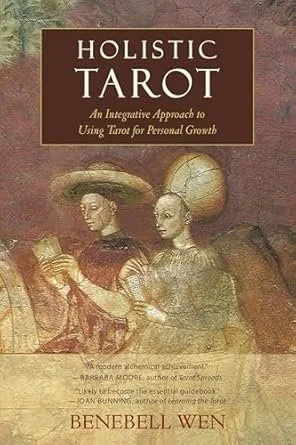
Holistic Tarot by Benebell Wen
This is one of the most comprehensive tarot books I own. Wen approaches tarot as an integrated system, weaving together symbolism, history, ethics, and practice with remarkable depth. I find her reference guide in the book to be straight-forward and easy to digest. Overall this reference is dense, but very rewarding if you enjoy studying tarot as both a reflective tool and a discipline.
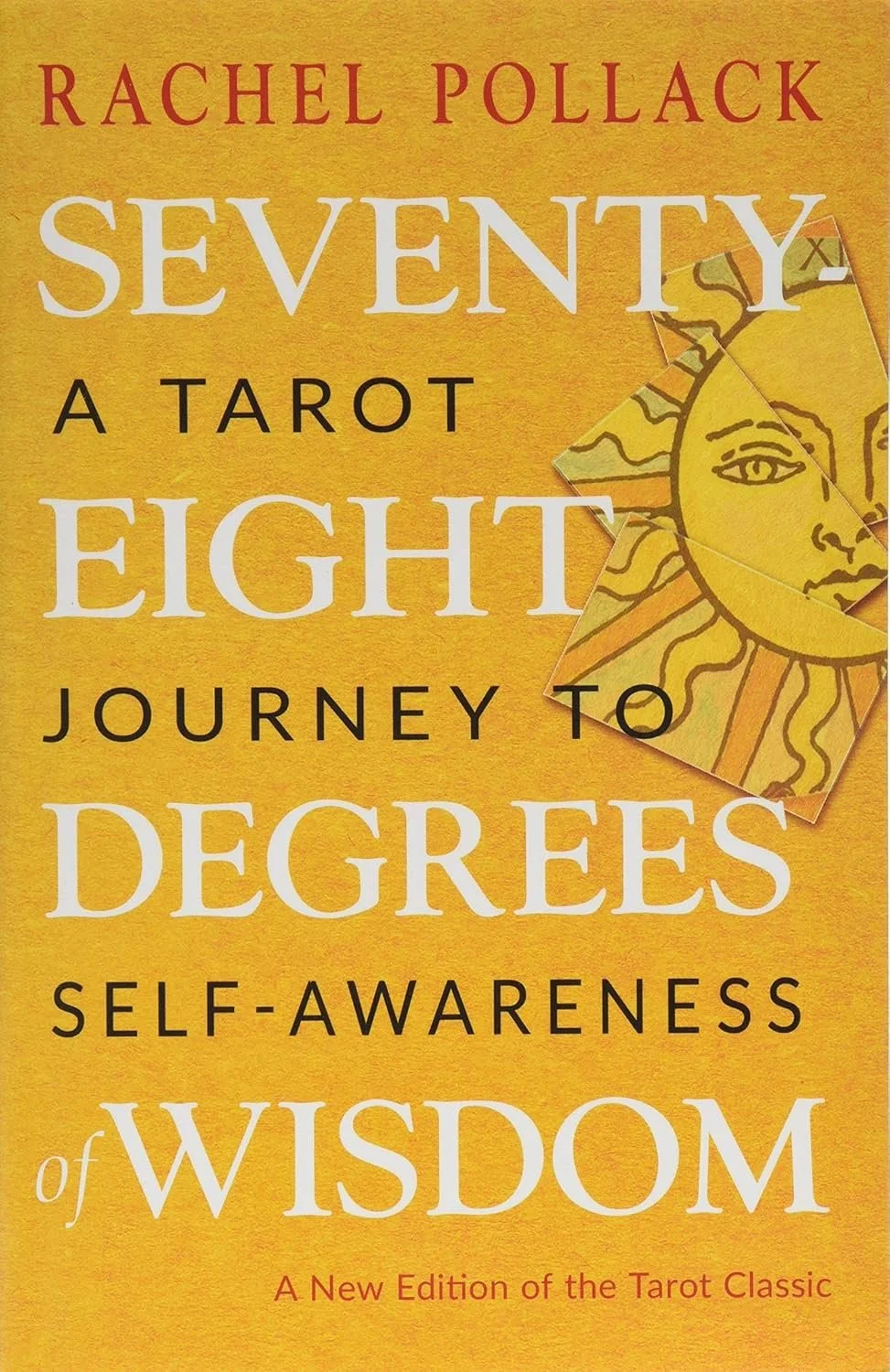
Seventy-Eight Degrees of Wisdom by Rachel Pollack
This book feels like sitting with a wise, thoughtful teacher. Pollack’s writing is intuitive, psychological and deeply humane, offering interpretations that feel alive rather than fixed. This book shares archetypal influences and emotional layers of the cards, and is really helpful if you approach tarot as a tool for personal growth and self-understanding.
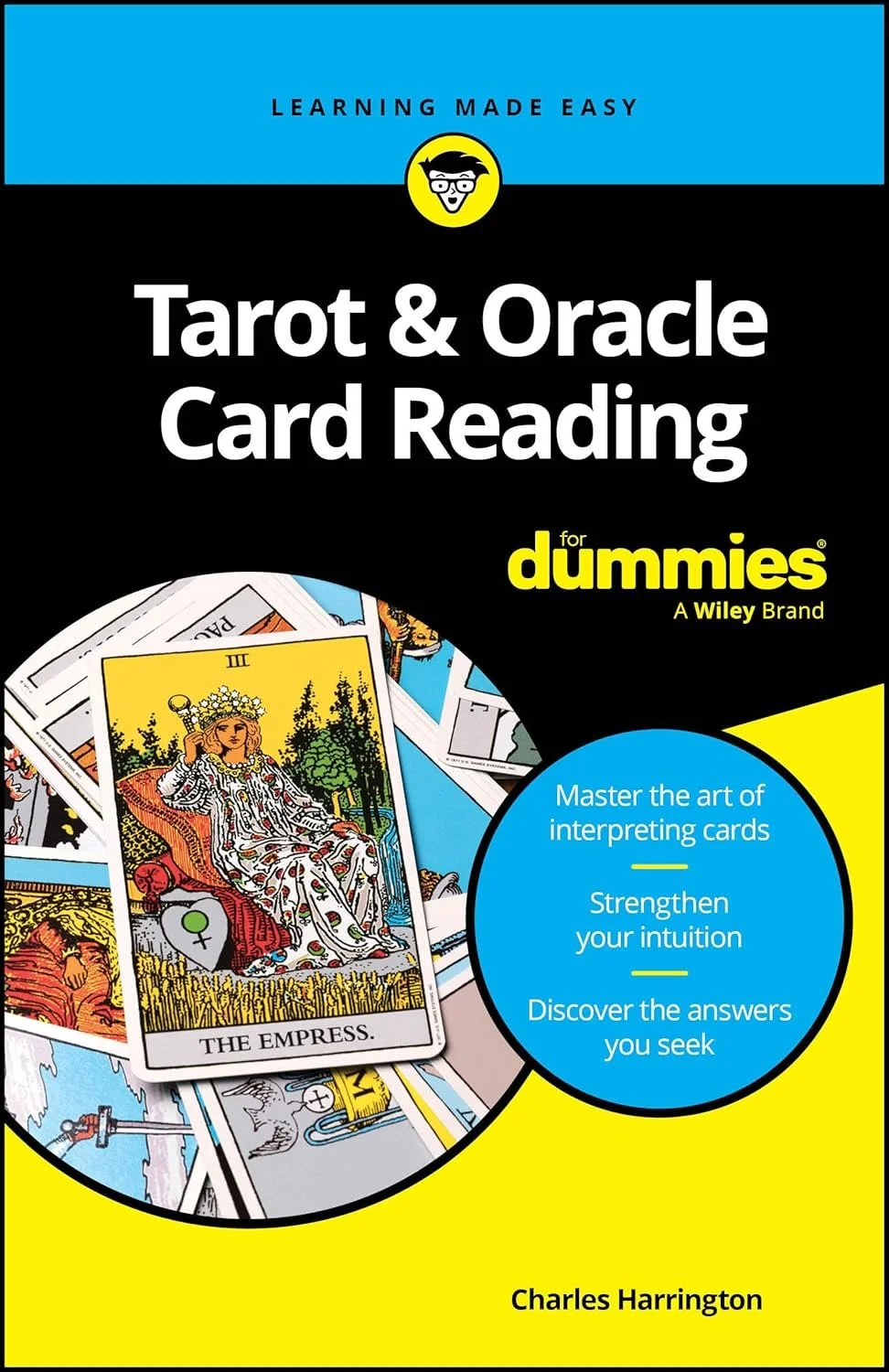
Tarot & Oracle Cards for Dummies by Charles Harrington
I’ve never been one to gravitate toward the “for Dummies” series, and I actually came to this book later in my tarot journey. In hindsight, I wish I had found it much earlier. Harrington offers clear, grounded explanations of tarot without unnecessary mysticism or overwhelm. His interpretations are straightforward and practical, making this a surprisingly solid and approachable reference for both beginners and more experienced readers who want a clear, no-nonsense perspective.
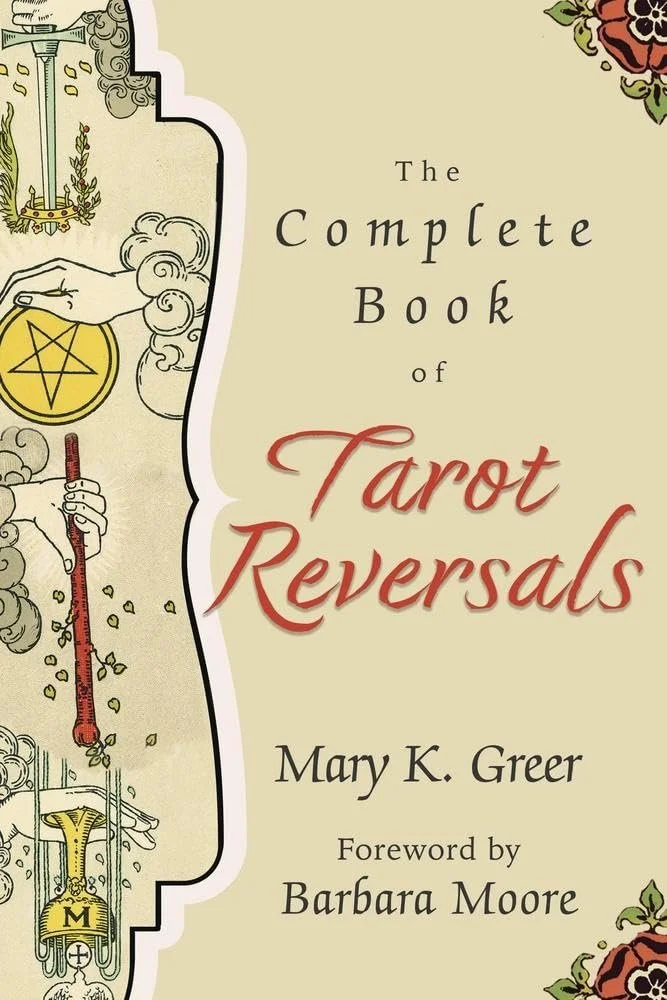
The Complete Book of Tarot Reversals by Mary K. Greer
Greer’s work is invaluable if you’re curious about reversals or feel unsure how to work with them. Rather than presenting reversals as simply “blocked” or “negative,” she offers multiple thoughtful frameworks for understanding how a card’s energy might shift, internalize, or express itself differently.

When to do this practice
You can do your tarot practice as often or as occasionally as you like. Some folks like to pull a single card in the morning as a way to orient themselves to the day (this is also a great way to start integrating the card meanings on the regular), while others prefer a weekly check-in.
You might also turn to the cards in periods of transition, uncertainty, or emotional intensity, when taking time to pause and reflect feels especially supportive. I wrote about ways to use cartomancy to honor the Moon phases as well, that you can read about here.
Like any reflective practice, tarot tends to be most helpful when approached with consistency rather than urgency, and during a time when you can be more present and attentive. Not every reading will feel meaningful or clear, and that is okay. Over time, the practice builds through repetition and trusting the process.

Closing the Practice
When you feel finished, take a moment to gently close the practice. This does not need to be formal. It can be as simple as taking a breath, thanking yourself for taking the time to pause, or acknowledging whatever came up during the reading.
You might choose to jot down a final thought in your journal, note any lingering questions, or simply sit quietly with the cards for a moment before putting them away. Some people like to return their deck to its box or cloth as a way of marking the end of the ritual, while others prefer to leave the cards out a bit longer. Either approach is fine.
As you move on with your day, remember that tarot does not require immediate clarity or resolution. Insights often unfold gradually, showing up later through reflection, conversation, or lived experience. You do not need to force meaning or action.
Closing the practice is an invitation to carry forward whatever feels useful and to let the rest remain with the cards. A gentle opening and closing can help punctuate the ritual, turning it into a sacred container for your growth.
This post is offered for educational and reflective purposes only, and is not intended as medical or mental health care. Please see the full Disclaimer for details.
Want Support Deepening Your Practice?
If working with tarot has stirred questions, themes, or places where you feel a bit stuck, you don’t have to navigate that alone.
My Integrative Guidance sessions offer thoughtful, expert support for personal growth and psycho-spiritual exploration. Drawing from my background in psychology, mind-body practices, and contemplative traditions, these one-on-one sessions are designed to help you gain clarity, break unhelpful patterns, and reconnect with your inner compass during times of transition or uncertainty.