Turning of the Wheel: Ostara & Spring Equinox
A seasonal reflection on balance, emergence, and the arrival of spring
Around March 19–21, those of us in the Northern Hemisphere arrive at the Spring Equinox, the seasonal moment when day and night stand in equal measure. This point in the solar cycle marks the turning from winter’s inwardness toward the growing vitality of spring. Light and darkness briefly balance before the days begin stretching longer than the nights.
Ostara is the name often used in modern pagan and seasonal traditions to mark this equinox. While the historical origins of the festival are debated, the symbolism of the season itself is unmistakable. Across cultures and agricultural societies, the arrival of the spring equinox signaled a clear shift in the living landscape. Soil softened, animals stirred, seeds were prepared, and the rhythms of work and growth resumed.

If Yule honored the rebirth of light and Imbolc reflected the quiet preparation beneath winter’s surface, Ostara represents emergence. The conditions that have been forming slowly over the past months now begin to express themselves more visibly. Buds appear. Migratory birds return. The earth tilts toward warmth.
This moment of balance offers a natural pause within the seasonal cycle. Day and night meet as equals, reminding us that growth does not arise from force alone but from a dynamic relationship between activity and rest, expansion and restoration.
Living in rhythm with the seasons invites us to notice these turning points more consciously. While the modern calendar continues forward at a steady pace, the Wheel of the Year offers another way of marking time, one that reflects the changing light, the shifting landscape, and the cyclical nature of life itself.

stay connected
join my mailing list for the occasional inbox gem, including a monthly newsletter sent the day before each New Moon.
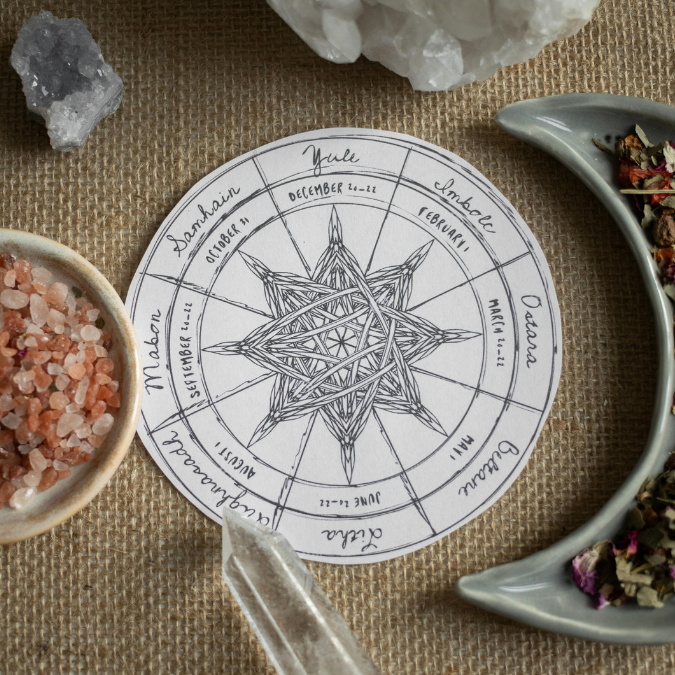
The Wheel of the Year is a seasonal and cyclical calendar marked by eight sabbats, or sacred festivals. These include two solstices, two equinoxes, and four cross quarter days that fall between them. Together, they reflect nature’s rhythms and the ongoing cycle of life, death, rest, and renewal. These turning points offer grounding, nature-based milestones that can support reflection, ritual, and our psycho-spiritual practice throughout the year. They include:
Yule (Winter Solstice), around December 20-22
Imbolc, around February 1-2
Ostara (Spring Equinox), around March 19-21
Beltane, around April 30-May 1
Litha (Midsummer), around June 20-22
Lughnasadh (Lammas), around August 1
Mabon (Autumn Equinox), around September 21-23
Samhain (around October 31-November 1)
Each of these sabbats carries its own distinct energy, symbolism, and ways of being observed. As we move through them, we are invited to notice how the outer landscape mirrors our inner worlds, shifting us between expansion and contraction, light and dark, action and rest.
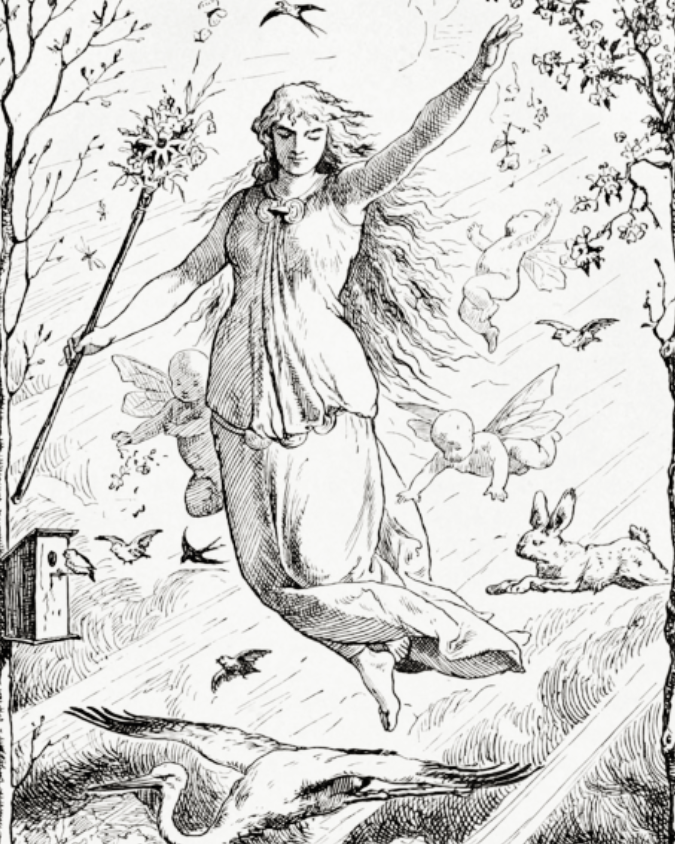
With Ostara, we arrive at the threshold of spring. Winter’s dormancy gives way to visible growth, and the balance of light and dark reminds us that the year is moving into a more outward phase of the cycle. What follows is an exploration of this seasonal turning point through its themes, symbolism, and traditional associations, as well as the ways people have historically marked the arrival of spring. From there, we will turn toward simple reflections and contemplative practices that honor emergence, balance, and the steady unfolding of new life.

Ostara Themes & Energetic Meaning
Balance and Equilibrium
The Spring Equinox is one of only two moments in the year when day and night are nearly equal in length. This balance reflects a transitional state between seasons. Winter has not entirely disappeared, but spring has undeniably begun.
This equilibrium invites reflection on balance within our own lives. Where might effort and rest need to meet more evenly. Where might one aspect of life be asking for more attention.
Emergence
Where Imbolc emphasized preparation beneath the surface, Ostara marks the beginning of visible growth. The seeds of winter reflection start to take form. Ideas begin to move toward action. The landscape itself mirrors this shift, with buds forming, animals becoming active, and the soil warming enough to support planting.
Renewal and Possibility
Spring has long symbolized renewal, not as a sudden transformation, but as a gradual unfolding. The energy of this season encourages curiosity and experimentation rather than immediate certainty.
Momentum After Stillness
The stillness of winter gives way to movement. Energy begins to circulate outward again, supporting creativity, learning, and the early stages of new projects.
Trusting Cycles
Ostara reminds us that growth follows preparation. The seeds planted during the quieter months begin to emerge, reinforcing the wisdom of seasonal timing.

Themes of balance, grounding, and gentle emergence are at the heart of my online yoga classes, where we practice moving slowly, staying low to the ground, and supporting the nervous system. You’re always welcome to join.


Ostara Symbolism & Seasonal Associations
Eggs
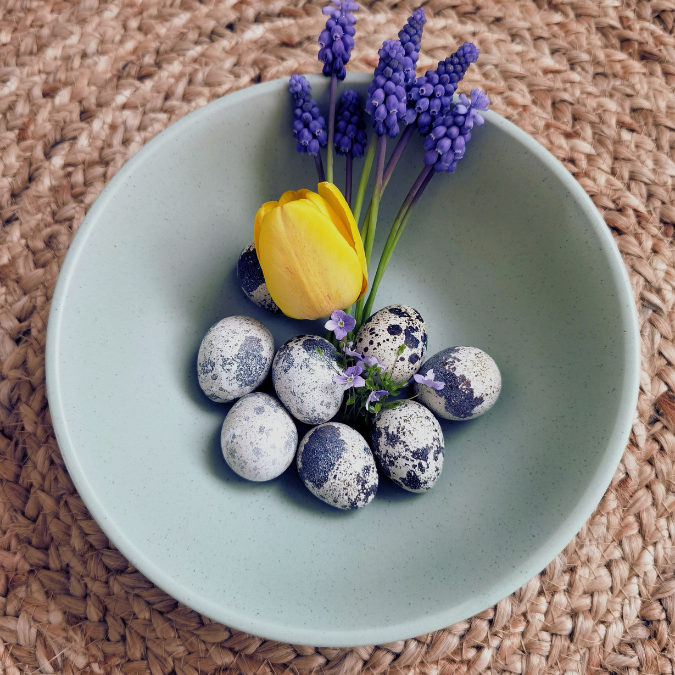
Eggs are one of the most widely recognized symbols of the spring equinox. Across cultures they represent fertility, potential, and the beginning of new life. The egg holds everything needed for life to emerge, yet it requires the right conditions and timing before that potential can unfold.
Hares and Rabbits
Hares and rabbits are strongly associated with spring due to their visible activity and rapid reproduction during this season. In folklore and seasonal traditions, they became symbols of fertility, vitality, and the abundance associated with the return of life after winter.
Spring Flowers
Early blooming flowers such as crocus, daffodil, and tulip signal the arrival of warmer days. Their emergence from the soil reflects the seasonal shift from dormancy toward growth.
Seeds and Gardening
Historically, the equinox marked a practical agricultural turning point. Soil preparation and early planting began in earnest as the land became workable again.
Seasonal Colors
The colors of Ostara reflect the liveliness of early spring:
Green for new growth and vitality
Yellow for sunlight and warmth returning to the land
Pink and soft pastels for emerging blossoms
Earth tones for fertile soil and grounding
Mythic & Archetypal Associations
While Ostara’s historical origins are debated, many seasonal traditions associate the return of spring with stories of descent and re-emergence.
In Greek mythology, the story of Persephone reflects this cycle. Her time in the underworld corresponds with the dormancy of winter, and her return marks the reawakening of the earth in spring.
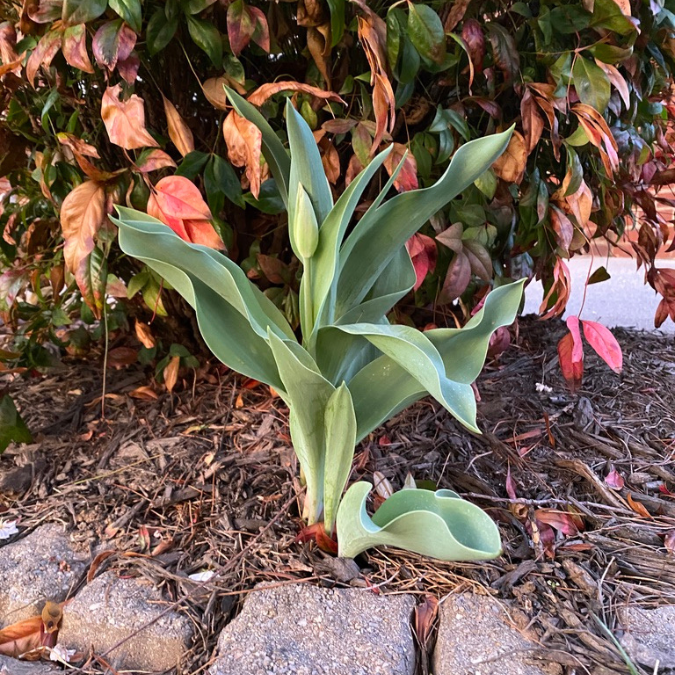
Tulips emerging in my yard on Ostara, a clear sign of this season of renewal.
Ostara Traditional Observances
Decorating Eggs
Egg decorating is one of the most widely known spring traditions. While often associated with Easter today, the practice predates Christianity in many cultures and reflects the symbolic importance of eggs as a sign of fertility and renewal.
Planting Seeds
Gardening and seed planting are natural seasonal activities tied to the equinox. Even planting herbs or flowers indoors can serve as a small ritual acknowledging the growing season ahead.
Seasonal Cleaning
Many traditions associate the arrival of spring with cleaning and clearing living spaces. This practice symbolically mirrors the clearing away of winter’s stagnation and the preparation for a new cycle.
Outdoor Gatherings
As the weather softens, communities historically began spending more time outdoors again. Festivals, markets, and communal meals often returned during the spring months.
Nature Walks
Simply observing the landscape can become a seasonal ritual. Noticing the return of birds, budding trees, and changing temperatures strengthens awareness of the living cycles unfolding around us.
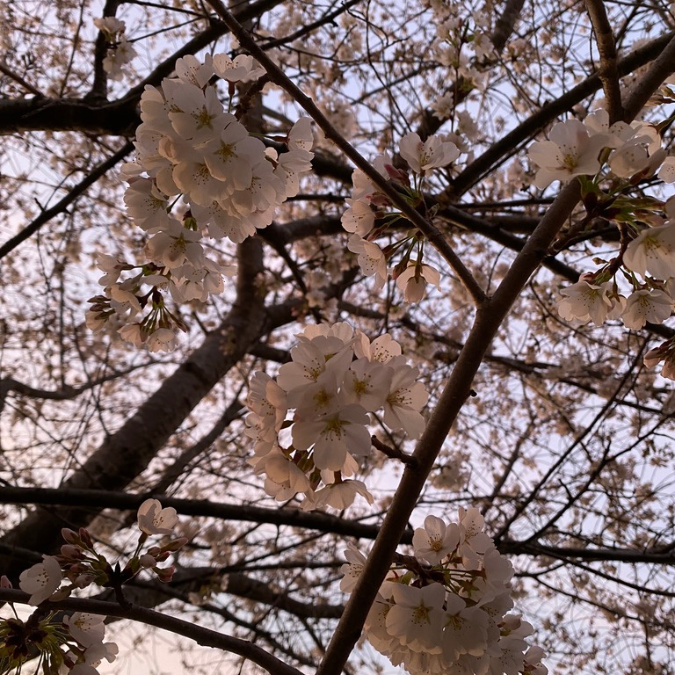
Cherry trees in my yard blooming on Ostara. There is something about watching these familiar signs of spring return each year that feels both grounding and reassuring.
Ostara Reflections
Honoring Balance:
The Spring Equinox is one of the few moments in the year when day and night stand in equal measure. This brief equilibrium invites reflection on balance within our own lives.Where might effort and rest need to meet more evenly.
What areas of life feel steady, and what might be asking for recalibration.Noticing What Is Emerging:
Ostara marks the transition from preparation to visible growth. What has been forming quietly through the winter months may now begin to show itself.What ideas, intentions, or energies feel ready to move closer to the surface.
Allowing Gentle Momentum:
Spring invites movement, but not urgency. Growth at this stage is exploratory rather than fully formed.Where might curiosity guide your next steps rather than pressure or expectation.
Participating in Renewal:
The landscape itself is changing now. Buds appear, animals return, and the earth softens.How might you participate in the renewal happening around you.
What small action could honor the season’s sense of possibility.Trusting the Unfolding:
Like early shoots pushing through soil, the beginnings of change can be fragile. Ostara reminds us that growth continues through care, attention, and patience.What would it look like to trust the unfolding of this season rather than trying to control its outcome.
Cartomancy
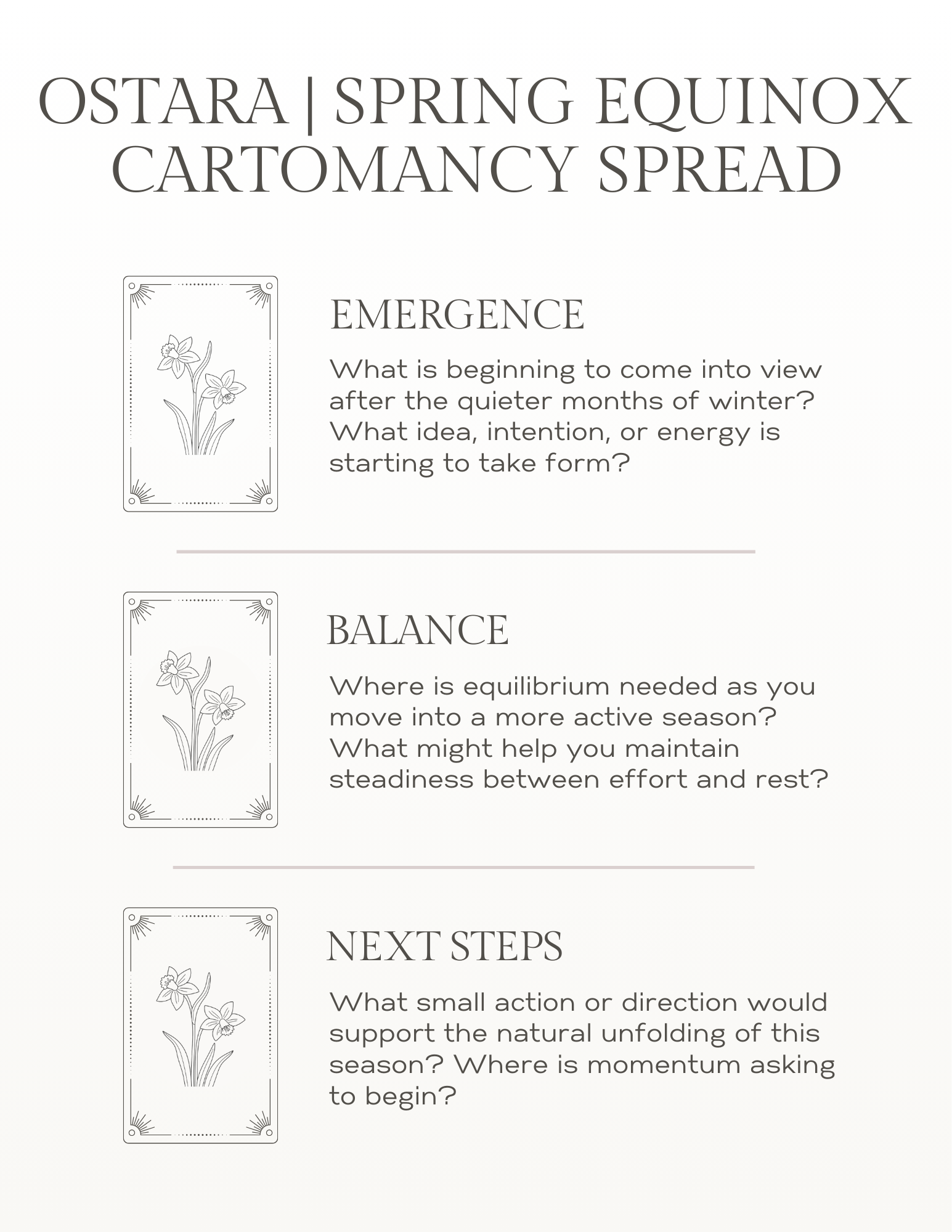
The following three-card tarot or oracle spread is offered as a reflective practice for Ostara. It centers on the seasonal shift from preparation into emergence, when the balance of the equinox gives way to the steady momentum of spring. Rather than focusing on outcomes, this spread invites reflection on what is beginning to take shape and how you might move forward with intention.
Wishing you a blessed Ostara.

This post is offered for educational and reflective purposes only, and is not intended as medical or mental health care. Please see the full Disclaimer for details.