Turning of the Wheel: Imbolc
A seasonal reflection on quiet preparation and growing daylight
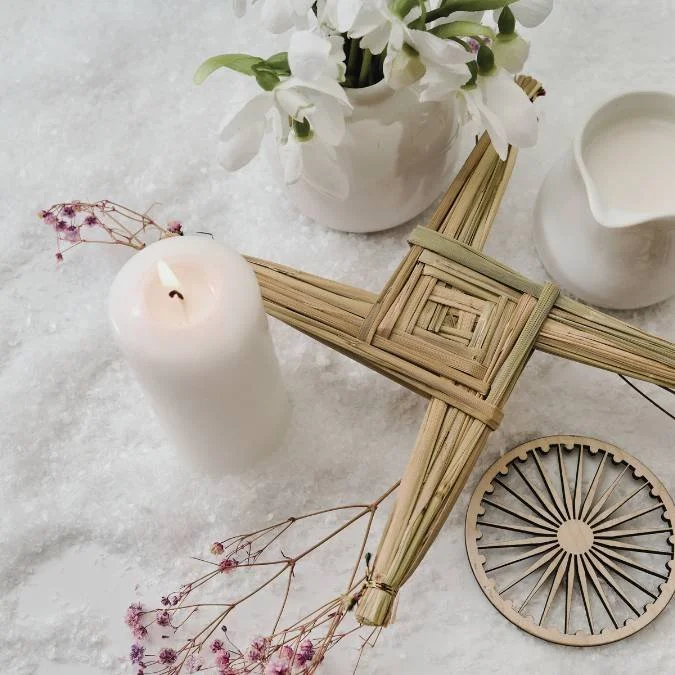
Around February 1st or 2nd, those of us in the Northern Hemisphere arrive at Imbolc, a seasonal turning point that marks the midpoint between the Winter Solstice and the Spring Equinox. While winter is still very much present, the lengthening days are now noticeable. Light continues to return, not dramatically, but steadily, offering subtle confirmation that the season is shifting.
Imbolc is a traditional Celtic festival often understood as meaning “in the belly,” a phrase that reflects this moment of gestation and preparation. Life has not yet emerged, but it is forming. Beneath frozen ground and dormant landscapes, the conditions for growth are quietly assembling. Historically, this was a time to begin thinking about what would eventually be planted and harvested, even though the land itself was not yet ready for seeds.
In many traditions, Imbolc is associated with Brigid, a goddess connected to inspiration, creativity, healing, and skilled craft. She is often understood as a guardian of the hearth and the steady flame, representing warmth, care, and the kindling of new ideas. In agrarian societies, this season also coincided with the first signs of renewed life among animals, reinforcing Imbolc’s role as a festival affirming endurance and the promise of what may come to fruition from the growing season ahead.
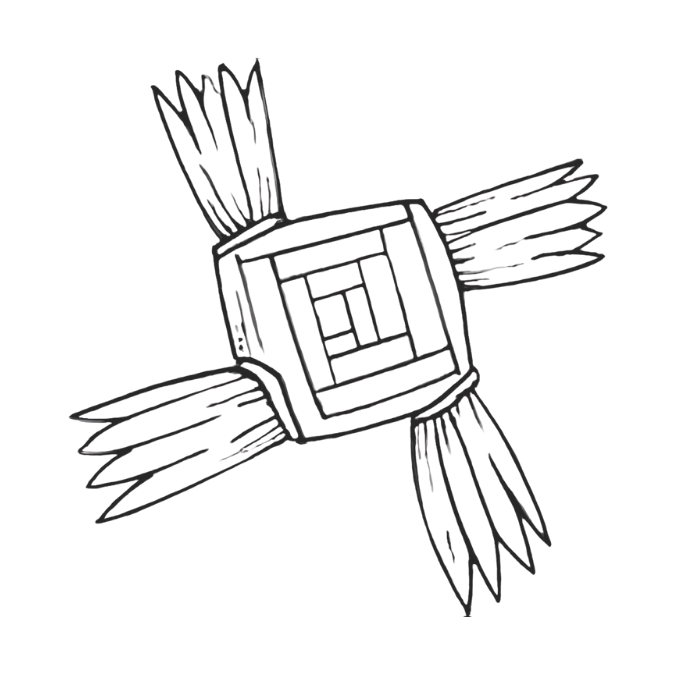
As Christianity spread through Northern Europe and the British Isles, Imbolc was absorbed into the Christian calendar as Candlemas, still observed on February 2nd. While the religious framing changed, many of the core themes remained. Light, purification, blessing, and preparation continued to shape how this time of year was marked.
Imbolc invites attentiveness without striving for momentum. This is a threshold season that emphasizes preparation over visible growth, reminding us that meaningful change is often supported by thoughtful planning long before anything takes form.

stay connected
Join my mailing list for the occasional inbox gem, including my monthly newsletter sent the day before each New Moon (with a lunar ephemeris table and reflections for the cycle ahead).
The Wheel of the Year
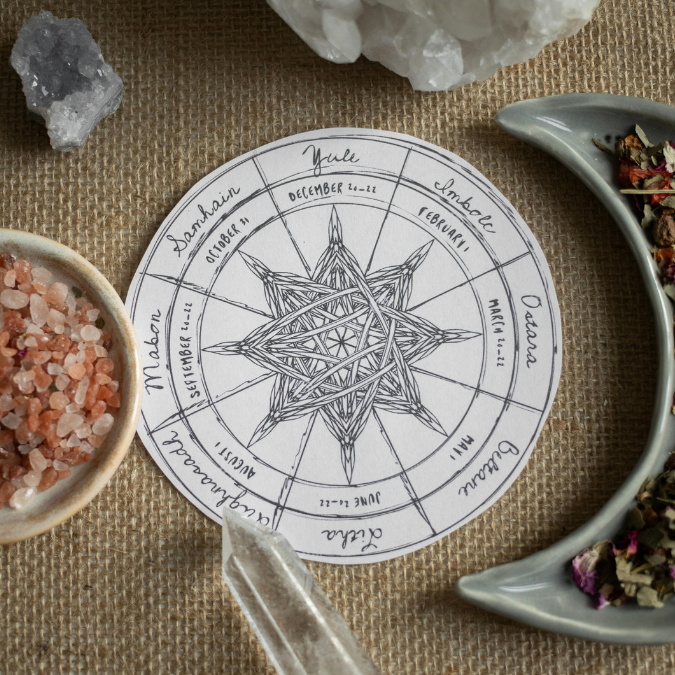
The Wheel of the Year is a seasonal and cyclical calendar marked by eight sabbats, or sacred festivals. These include two solstices, two equinoxes, and four cross quarter days that fall between them. Together, they reflect nature’s rhythms and the ongoing cycle of life, death, rest, and renewal. These turning points offer grounding, nature-based milestones that can support reflection, ritual, and our psycho-spiritual practice throughout the year. They include:
Yule (Winter Solstice), around December 20-22
Imbolc, around February 1-2
Ostara (Spring Equinox), around March 19-21
Beltane, around April 30-May 1
Litha (Midsummer), around June 20-22
Lughnasadh (Lammas), around August 1
Mabon (Autumn Equinox), around September 21-23
Samhain (around October 31-November 1)
Each of these sabbats carries its own distinct energy, symbolism, and ways of being observed. As we move through them, we are invited to notice how the outer landscape mirrors our inner worlds, shifting us between expansion and contraction, light and dark, action and rest.
With Imbolc, we arrive at an early turning point on the Wheel. The deep stillness of winter has not fully released its hold, but subtle signs of change are present. What follows is an exploration of this threshold season through its themes, symbolism, and seasonal associations, as well as the ways people have traditionally marked this time through light, nourishment, and preparation. From there, we will turn toward simple reflections and contemplative practices that honor growing light and the quiet work of readiness.

Imbolc Themes and Energetic Meanings
Growing Light:
By early February, the return of light is no longer theoretical. Days are visibly longer, even if cold and winter weather persist. This growing light does not signal arrival or completion. It signals direction. Imbolc reminds us that change often becomes perceptible before it becomes usable.Quiet Preparation:
Imbolc emphasizes readiness rather than action. Historically, this was a time to assess supplies, tend animals, repair tools, and plan for the work ahead. The energy of the season supports organizing, clarifying, and preparing without rushing toward execution.Threshold and Transition:
Imbolc occupies a liminal space on the Wheel of the Year. Winter has not ended, but it is no longer absolute. This in-between quality invites patience and discernment, allowing us to notice what is shifting without forcing outcomes.Renewal Through Care:
The renewal associated with Imbolc is subtle and relational. It is found in tending the hearth, maintaining warmth, and offering protection to what is fragile. Growth at this stage depends less on effort and more on consistency and care.Hope Rooted in Reality:
Imbolc carries a grounded form of hope. Not optimism detached from circumstance, but trust shaped by experience and cycles that repeat themselves. It encourages confidence in gradual processes and respect for timing.
Imbolc Symbolism & Seasonal Associations
Early Signs of Life:
Imbolc is often associated with the first subtle signs of renewal in the natural world. Snowdrops and other early bulbs may begin to appear, sometimes pushing through frozen ground. These small, quiet blooms reflect the season’s emphasis on emergence without force and life continuing under challenging conditions.Fire, Light, and the Hearth:
Fire remains a central symbol at Imbolc, though its meaning shifts slightly from Yule. Rather than marking the rebirth of the sun, Imbolc’s flame represents steadiness, protection, and attentiveness. Candles and hearth fires symbolize the kind of light that is tended carefully, offering warmth and continuity rather than spectacle.Milk, Nourishment, and Sustenance:
Traditionally, Imbolc coincided with the early return of milk from ewes and other livestock, making dairy an important seasonal association. Milk, butter, and cheese became symbols of nourishment, sustenance, and the capacity to support life through the remaining winter months.Seasonal Colors:
The colors of Imbolc reflect both winter’s persistence and the promise of change.White for lingering snow, clarity, and quiet
Soft yellow for returning light and early warmth
Pale green for potential and new life not yet visible
Earth tones for grounding, patience, and stability
Brigid and Creative Fire:
Imbolc is closely associated with Brigid, a goddess linked to healing, poetry, creativity, and skilled craft. Often understood as a guardian of the hearth and the sacred flame, Brigid embodies the kind of inspiration that grows through care, practice, and devotion. Her presence at Imbolc reinforces the season’s focus on tending what is emerging, whether that takes the form of creative work, healing, or practical preparation.

Imbolc Traditional Observances
Hearth Tending and Home Care:
Imbolc has long been associated with caring for the home and hearth. Cleaning, repairing, and organizing living spaces were practical ways to prepare for the work of the coming seasons. These acts were not about perfection, but about readiness and stewardship during the final stretch of winter.Candle Lighting and Fire Rituals:
Light plays a central role in Imbolc observances. Candles were often lit to honor the returning light and to bless the household. Unlike the larger communal fires of other seasonal festivals, Imbolc’s flames were typically smaller and more intimate, emphasizing consistency and care rather than display.Blessing Tools and Supplies:
In agricultural communities, Imbolc was a time to assess and bless tools, seeds, and stored supplies. This practice acknowledged the labor ahead while reinforcing a relationship of respect and attentiveness toward the resources that would support the growing season.Food and Nourishment:
Seasonal foods at Imbolc reflected sustenance and simplicity. Meals often centered on dairy products such as milk, butter, and cheese, along with baked goods, stored grains, and winter vegetables. These foods emphasized nourishment and continuity rather than abundance.Honoring Brigid:
Imbolc was traditionally associated with Brigid, whose presence was honored through simple acts of devotion tied to the hearth, creativity, and healing. Offerings might include lighting a candle, preparing food with intention, or engaging in creative or practical work as a form of respect and gratitude.Preparation Without Urgency:
Across traditions, Imbolc marked a shift toward planning rather than action. It was a time to look ahead, make repairs, and organize tasks without yet beginning the physical work of planting or expansion. This emphasis on preparation allowed individuals and communities to move into spring with greater steadiness and clarity.
Imbolc Reflections
Noticing Subtle Change:
What small shifts are you noticing, even if they do not yet feel actionable. Where is something beginning to stir beneath the surface.Preparing Without Rushing:
What kind of preparation would feel supportive right now. Where might you benefit from slowing down rather than pushing forward.Tending Energy and Resources:
What currently sustains you through this season. Where are your energy and resources being used wisely, and where might they need protection or care.Clarifying Intentions:
What are you hoping to nurture as the year unfolds. How can your intentions remain flexible rather than fixed at this stage.Trusting Gradual Processes:
Where in your life are you being asked to trust slow, steady progress. What might change if you allowed timing to unfold without forcing results.
Cartomancy
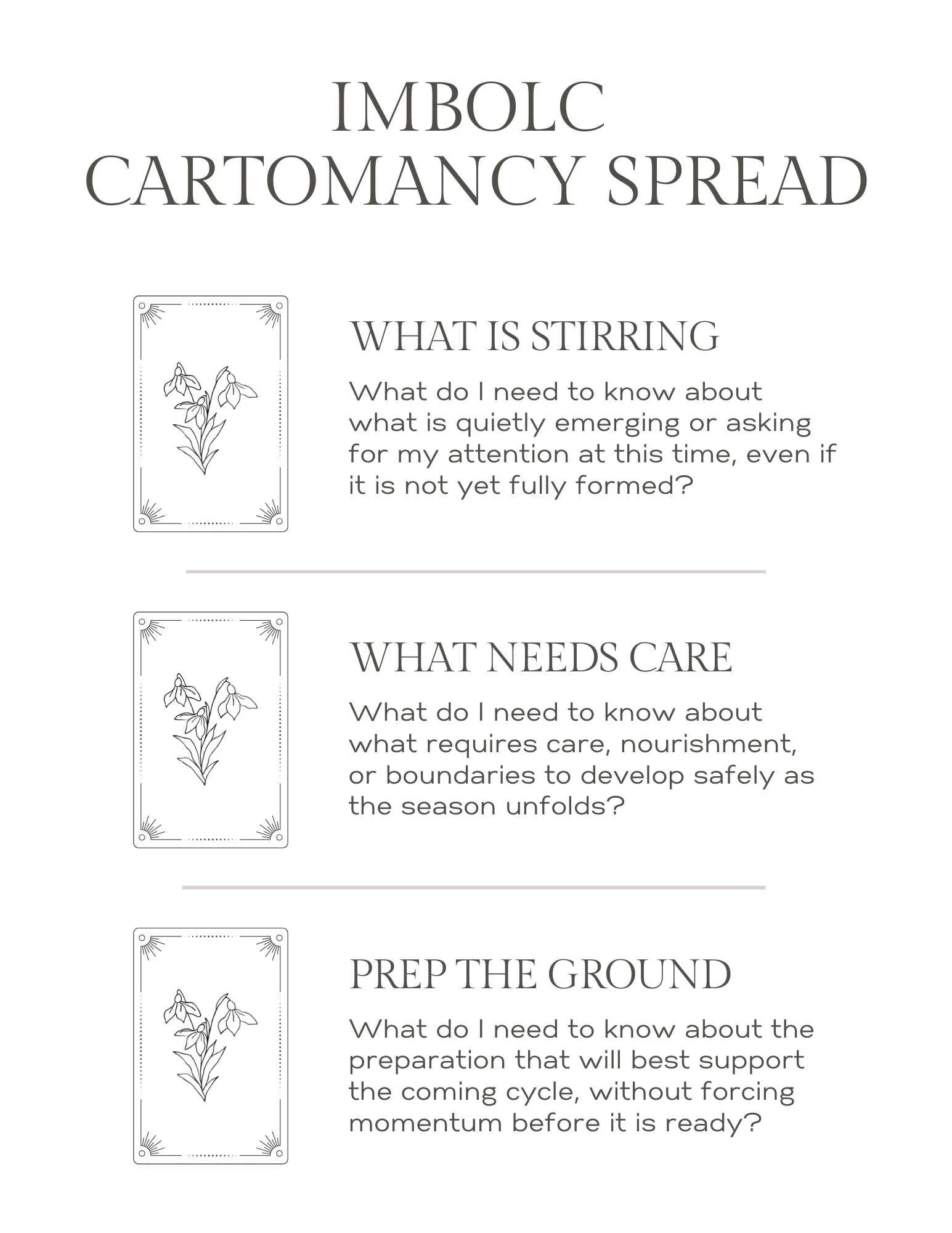
The following three-card tarot or oracle spread is offered as a reflective practice for Imbolc. It centers on this moment in the seasonal cycle when light is increasing, but movement remains measured. Rather than looking for outcomes or clarity all at once, this spread invites reflection on where attention is needed now, and how to remain in relationship with what is still forming.
Wishing you all a blessed Imbolc.

This post is offered for educational and reflective purposes only, and is not intended as medical or mental health care. Please see the full Disclaimer for details.