Turning of the Wheel: Yule & Winter Solstice
A seasonal reflection on our longest night and the return of light.
On December 21, 2025, those of us in the Northern Hemisphere arrive at the Winter Solstice: the longest night and shortest day of the year. This is a deep turning point of the solar cycle, when darkness reaches its peak, and the light quietly begins to return.
Yule is a folk tradition observed on and around the Winter Solstice, historically celebrated over a period of twelve days. It was a time to slow down and turn inward, tending to the hearth, sharing meals and stories, gathering with kin and community, and reflecting on the past year’s harvest. It was a time for rest, remembrance, and a gentle re-orienting to what might grow in the season’s ahead.
Many customs we now associate with Christmas trace their roots back to older pagan and seasonal traditions, Yule among them. Evergreen trees brought indoors, candles and lights against the dark, shared feasts, sweet treats, and even familiar winter figures all echo much older practices centered on warmth, generosity, and the promise of renewal.
Living in rhythm with the seasons offers a powerful way to reconnect with the natural world, as well as our own internal cycles. While the modern Gregorian calendar keeps us moving forward on a fixed schedule (the new year beginning on January 1st still feels a little… arbitrary), the Wheel of the Year invites us to mark time more intentionally, more somatically, and in closer conversation with the living world around us.

stay connected
join my mailing list for the occasional inbox gem, including a monthly newsletter sent the day before each New Moon.
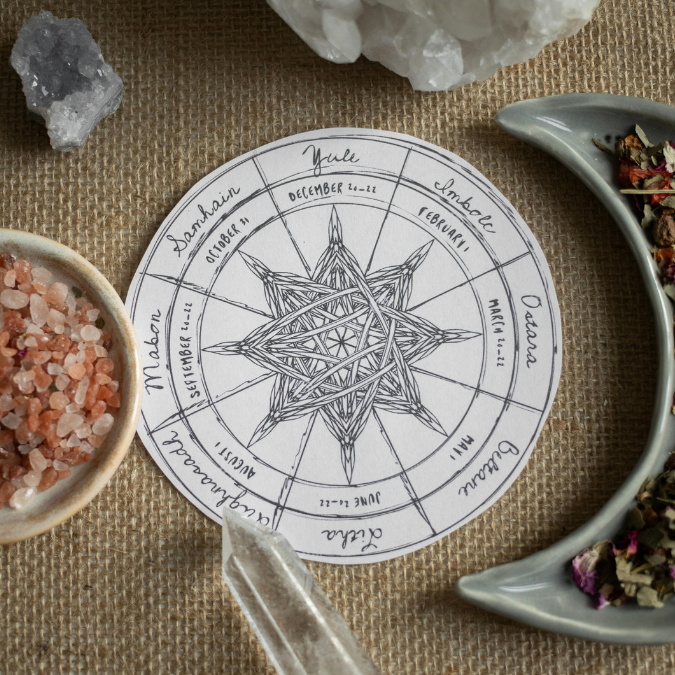
The Wheel of the Year
The Wheel of the Year is a seasonal and cyclical calendar marked by eight sabbats, or sacred festivals. These include two solstices, two equinoxes, and four cross quarter days that fall between them. Together, they reflect nature’s rhythms and the ongoing cycle of life, death, rest, and renewal. These turning points offer grounding, nature-based milestones that can support reflection, ritual, and our psycho-spiritual practice throughout the year. They include:
Yule (Winter Solstice), around December 20-22
Imbolc, around February 1-2
Ostara (Spring Equinox), around March 19-21
Beltane, around April 30-May 1
Litha (Midsummer), around June 20-22
Lughnasadh (Lammas), around August 1
Mabon (Autumn Equinox), around September 21-23
Samhain (around October 31-November 1)
Each of these sabbats carries its own distinct energy, symbolism, and ways of being observed. As we move through them, we are invited to notice how the outer landscape mirrors our inner worlds, shifting us between expansion and contraction, light and dark, action and rest.
With Yule, we arrive at the deep stillness of the Wheel. What follows is an exploration of this sacred turning point through its themes, colors, symbols, and seasonal associations, as well as the ways people have traditionally marked this time through food, gathering, ritual, and quiet reflection. From there, we will turn toward simple practices and contemplations that honor the longest night and the slow, steady return of the light.
Yule Themes & Energetic Meaning
Rebirth of the Sun:
Yule marks the rebirth of the Sun, as a slow and quiet return to brightness. The light does not rush back in. It lengthens slowly, almost imperceptibly at first, reminding us that meaningful change often begins long before it is visible.Renewal and New Beginnings:
Not through urgency or momentum, but through patience. Yule invites us to honor what has been laid to rest, trusting that something new is already stirring beneath the surface.Incubation and Rest:
A season of gestation rather than action. Rest becomes an active participation in the cycle, allowing what is forming to take shape in its own time.Reflection:
The longest night offers a spacious pause to look back on the year with honesty and tenderness. What endured. What was lost. What asked more of us than we anticipated.Gratitude:
Not as forced positivity, but as a quiet recognition of what sustained us throughout the year and throughout the dark.
Yule Symbolism & Seasonal Associations
Evergreens and Natural Elements:
In the heart of winter, life persists. Evergreens have long been associated with Yule because they remain vibrant through the cold months, offering a reminder that vitality does not disappear when conditions become harsh. Pine, fir, and cedar are commonly used in seasonal decorations, alongside natural elements like pinecones that symbolize potential held in reserve.Seasonal Colors:
Green for ongoing life, regeneration, and continuity
White for snow, stillness, and winter’s quiet clarity
Gold and Silver for the returning sun and the subtle increase of light after the solstice
Red for warmth, vitality, hearth fires, and the life force moving beneath the surface
Candles and Light:
Candles are a central symbol of Yule, especially white candles representing hope, clarity, and the return of the sun. Lighting candles during this season is less about dispelling darkness and more about witnessing the turning, honoring light without forcing it where darkness still belongs.Mythic and Archetypal Figures:
Across cultures, Yule is associated with figures who embody death, rebirth, wisdom, and endurance.In Norse traditions, Odin is sometimes linked to the Yule Father, a wandering figure associated with wisdom, struggle, and inspiration, and often cited as an influence on the modern image of Santa Claus.
In Celtic and pagan traditions, the Horned God, often named as Cernunnos or Pan, reflects the cycle of death and rebirth tied to the natural world.
The Holly King and Oak King myth symbolizes the seasonal transition, with the waning sun giving way to the reborn light.
Yule Traditional Observances
Community and Gathering:
Yule was traditionally observed over twelve days around the Winter Solstice. Homes often held an open, welcoming spirit, with people coming and going to share food, stories, music, and companionship through the long winter nights.Feasting and Candlelit Meals:
Shared meals were central to Yule, serving both nourishment and celebration. Candlelit suppers honored the returning light while embracing the intimacy and quiet of winter’s darkness.Decorating with Natural Elements:
Homes were adorned with evergreens and seasonal materials, bringing symbols of life, continuity, and resilience indoors during the coldest time of year.Gift Giving:
When gifts were exchanged, they were often simple and meaningful. Handmade items or food-based offerings emphasized care, effort, and generosity over excess.Fire and Light Rituals:
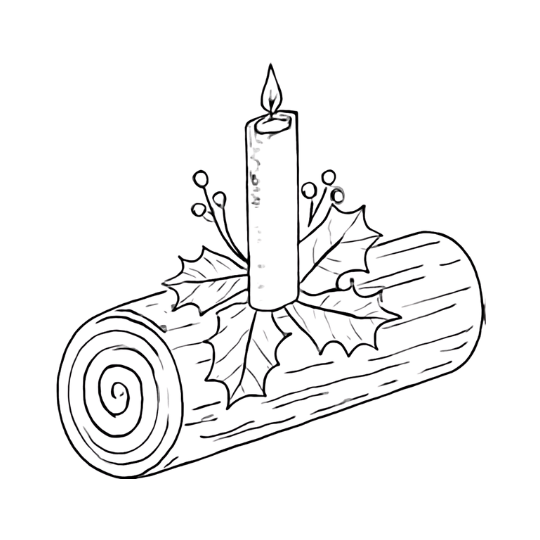
Bonfires or indoor fire-lighting ceremonies provided warmth and a focal point for communal gathering. Fire served as both a practical and symbolic anchor during the darkest stretch of the year.The Yule Log:
One of the most enduring Yule traditions. The log was typically chosen with intention and meant to burn slowly across the twelve days of Yule.Often anointed with wine before lighting
Believed to bring warmth, protection, and good fortune
Ashes were sometimes saved for their protective qualities
A piece of the log might be kept to kindle the following year’s fire, reinforcing continuity across cycles
Reflection and Gratitude:
Yule offered space for spiritual contemplation, review of the year that had passed, and acknowledgment of what sustained individuals and communities through hardship.Wassailing and Caroling:
Singing and blessings, both within the home and outward into the community, extended goodwill and strengthened social bonds.Cleansing and Decluttering:
Clearing physical space mirrored inner release, preparing both home and spirit for the gradual return of light and what might emerge in the cycle ahead.
Yule Reflections
Turning Inward:
Yule invites inward listening rather than forward motion. This is not a season for forcing clarity or momentum, but for noticing what has been shaped by the year now drawing to a close.Honest Reflection:
The longest night offers a natural container for looking back with compassion.What lessons emerged
What forms of growth were unexpected
What needed to be released so something else could take its place
Honoring Endings and Endurance:
Yule asks us to hold both what has ended and what quietly endured. Each has played a role in the cycle of becoming.Gentle Intention Setting:
This season supports intentions rather than goals. Attention turns toward what you want to nurture and how you wish to inhabit your life, focusing on qualities of being rather than achievements.Trusting the Cycle:
Intentions set at Yule are held with patience, trusting that clarity and direction will blossom when the season is right.Death and Rebirth:
At its heart, Yule reflects the ongoing cycle of death and rebirth in both nature and our own lives. As the light slowly returns, so too can our sense of direction.
Cartomancy
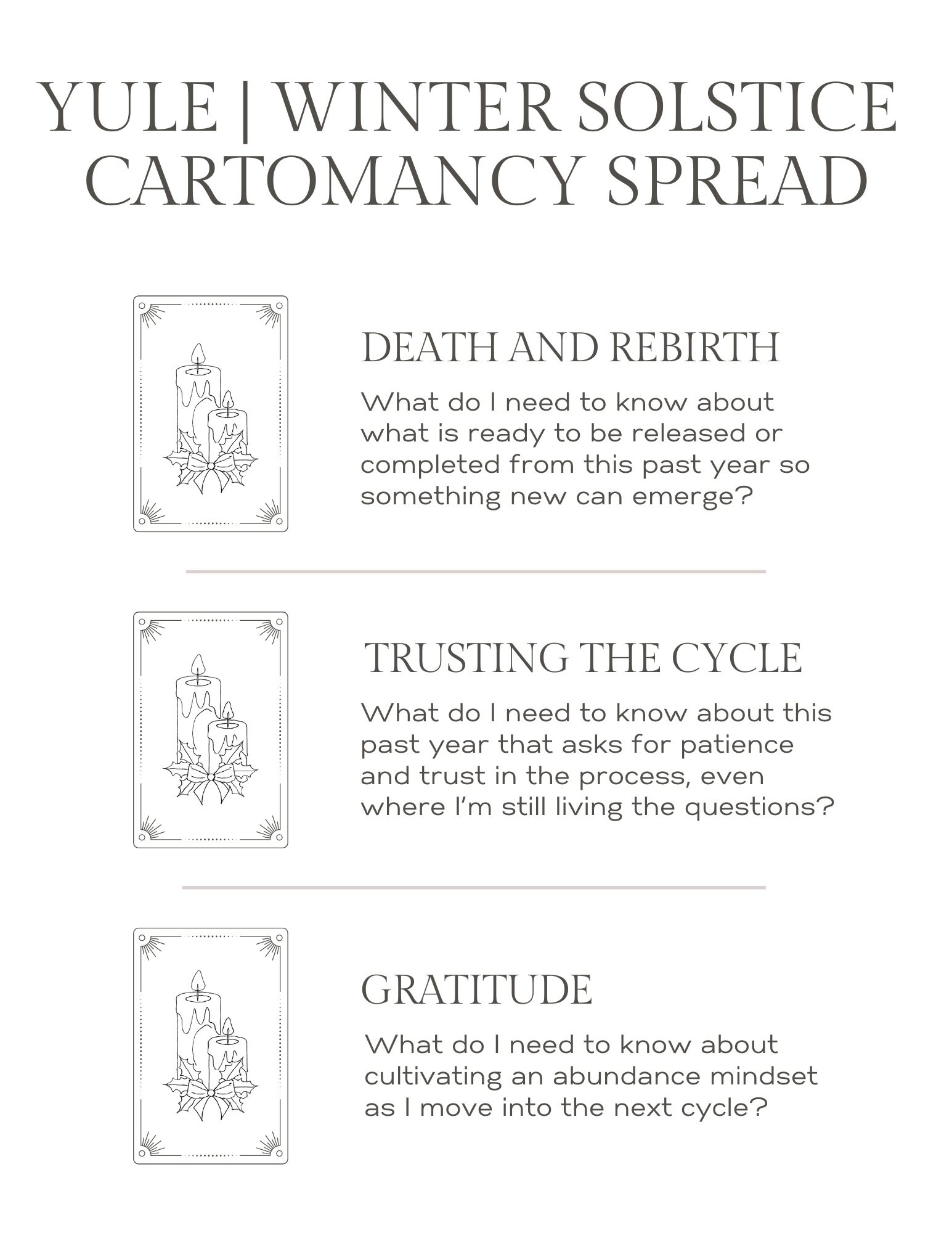
The following three-card tarot or oracle spread is offered as a reflective practice for Yule. It focuses on reviewing the past year, honoring endings, trusting natural cycles, and noticing what is ready to change as a new cycle begins.
Wishing you all a blessed Yule & Winter Solstice.

This post is offered for educational and reflective purposes only, and is not intended as medical or mental health care. Please see the full Disclaimer for details.