Turning of the Wheel: Litha & Summer Solstice
A seasonal reflection on abundance, flourishing, and the longest day of the year.
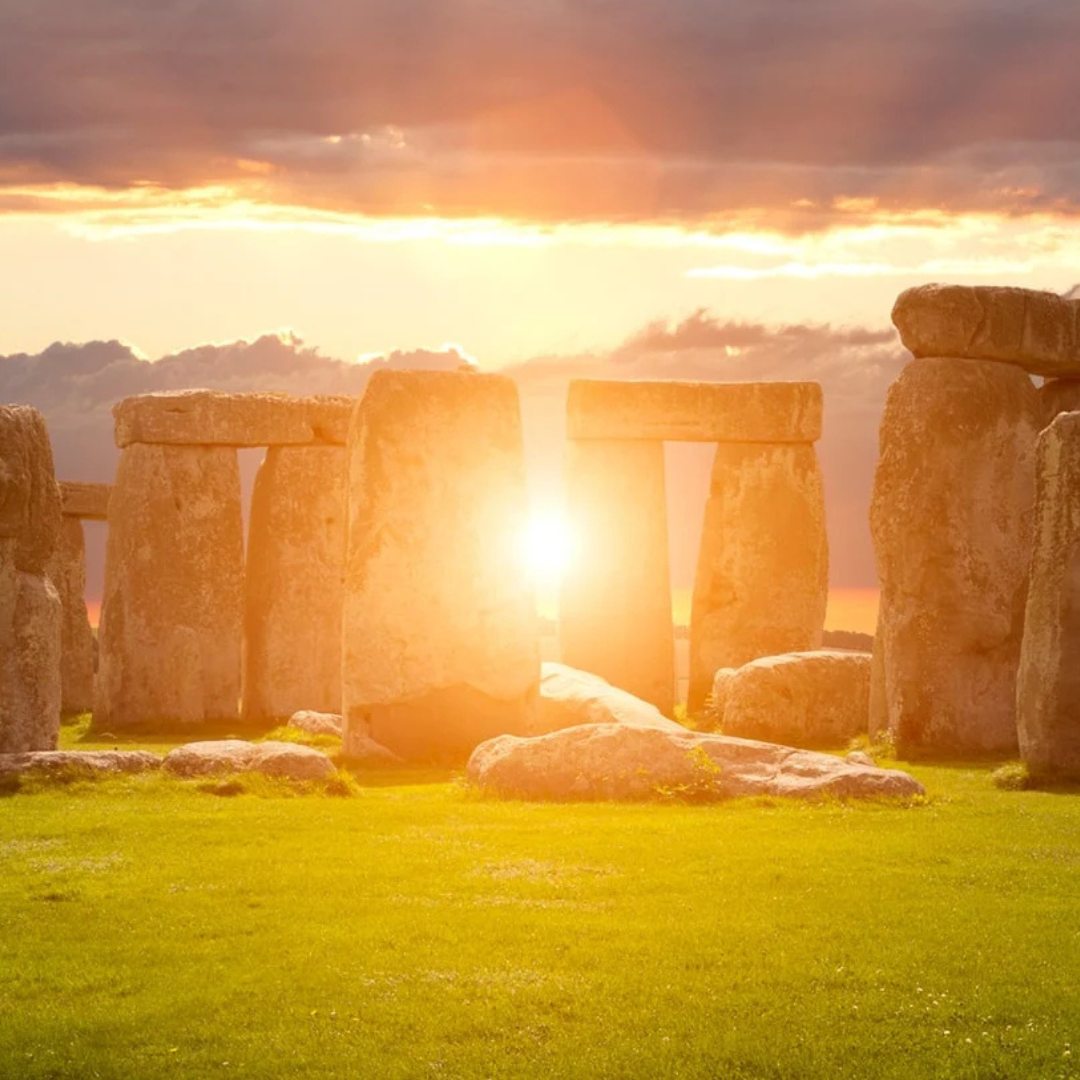
Around June 20–22, those of us in the Northern Hemisphere arrive at the Summer Solstice, the longest day and shortest night of the year. The sun lingers overhead well into the evening, gardens are growing quickly, pollinators move busily from flower to flower, and the landscape feels lush, vibrant, and fully awake.
Litha is the name often used in modern pagan and seasonal traditions to mark this midsummer turning point. While the historical observances varied across cultures and regions, the Summer Solstice has long been recognized as a time of abundance, celebration, and gratitude. Communities gathered to mark the height of the growing season, honoring the warmth, fertility, and life-giving power of the sun.
If Yule marked the return of the light and Ostara celebrated its balance, Litha represents its fullness. The days have stretched to their greatest length, the earth is alive with growth, and much of the natural world is operating at full capacity. Flowers bloom, gardens flourish, and the long days invite us outdoors to participate more fully in the season itself.
Though the Summer Solstice marks a turning point in the solar cycle, it is not a day of endings. Summer is only beginning. Fireflies are just starting to appear, tomatoes are still ripening on the vine, and long evenings still stretch ahead of us. Rather than focusing on what comes next, Litha invites us to appreciate what is here now.
Living in rhythm with the seasons invites us to notice these turning points more consciously. While the modern calendar continues forward at a steady pace, the Wheel of the Year offers another way of marking time, one that reflects the changing light, the shifting landscape, and the cyclical nature of life itself.

stay connected
join my mailing list for the occasional inbox gem, including a monthly newsletter sent the day before each New Moon.
The Wheel of the Year
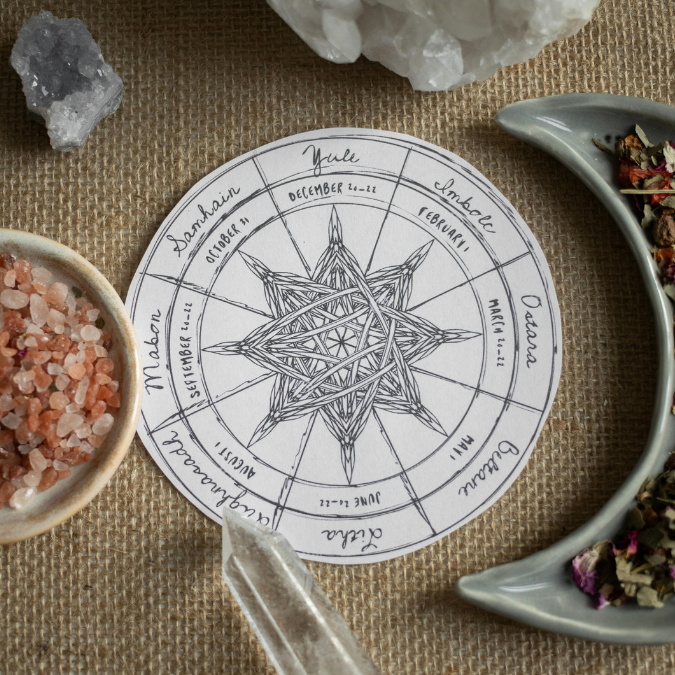
The Wheel of the Year is a seasonal and cyclical calendar marked by eight sabbats, or sacred festivals. These include two solstices, two equinoxes, and four cross quarter days that fall between them. Together, they reflect nature’s rhythms and the ongoing cycle of life, death, rest, and renewal. These turning points offer grounding, nature-based milestones that can support reflection, ritual, and our psycho-spiritual practice throughout the year. They include:
Yule (Winter Solstice), around December 20-22
Imbolc, around February 1-2
Ostara (Spring Equinox), around March 19-21
Beltane, around April 30-May 1
Litha (Midsummer), around June 20-22
Lughnasadh (Lammas), around August 1
Mabon (Autumn Equinox), around September 21-23
Samhain (around October 31-November 1)
Each of these sabbats carries its own distinct energy, symbolism, and ways of being observed. As we move through them, we are invited to notice how the outer landscape mirrors our inner worlds, shifting us between expansion and contraction, light and dark, action and rest.

With Litha, we arrive at the height of summer. The sun reaches its peak, daylight stretches to its greatest length, and the natural world is alive with growth, color, and activity. This midsummer turning point invites us to pause and appreciate the abundance that surrounds us, from flourishing gardens and blooming wildflowers to the simple pleasures of long evenings and warm days. What follows is an exploration of this seasonal celebration through its themes, symbolism, and traditional associations, as well as the ways people have historically honored the Summer Solstice. From there, we will turn toward simple reflections and contemplative practices that honor vitality, gratitude, and the fullness of the season.
Litha Themes & Energetic Meaning
Abundance
The Summer Solstice arrives at a time when life is visibly flourishing. Gardens are growing, flowers are blooming, pollinators are busy, and the landscape feels full and alive. Across the natural world, there is a sense of fullness and vitality that reflects the height of the growing season.
Vitality
With its long days and warm evenings, midsummer has long been associated with energy, movement, and engagement with the world around us. After the inwardness of winter and the gradual emergence of spring, summer invites fuller participation in life.
Illumination
As the longest day of the year, the Summer Solstice has traditionally been associated with light, clarity, and visibility. What was once hidden is easier to see, both in the landscape around us and in our own lives.
Celebration
Across cultures, midsummer has often been marked through gathering, feasting, music, dancing, and communal celebration. This season invites us to appreciate beauty, connection, and the simple pleasures of being alive.
Gratitude
The Summer Solstice offers an opportunity to pause and appreciate what is already flourishing. In a culture that often encourages us to focus on what is next, midsummer reminds us to notice what is here.

Themes of balance, and connecting to the rhythms of nature are at the heart of my online yoga classes. Together, we practice slowing down, listening to the body, and making space to appreciate the abundance of the season. You're always welcome to join.
Litha Symbolism & Seasonal Associations
The Sun
The Summer Solstice marks the longest day of the year and the peak of the sun’s annual journey across the sky. As the source of warmth, light, and growth, the sun is the central symbol of Litha. Across cultures, midsummer celebrations have honored the life-giving energy of the sun and its role in sustaining the natural world.
Bees and Pollinators
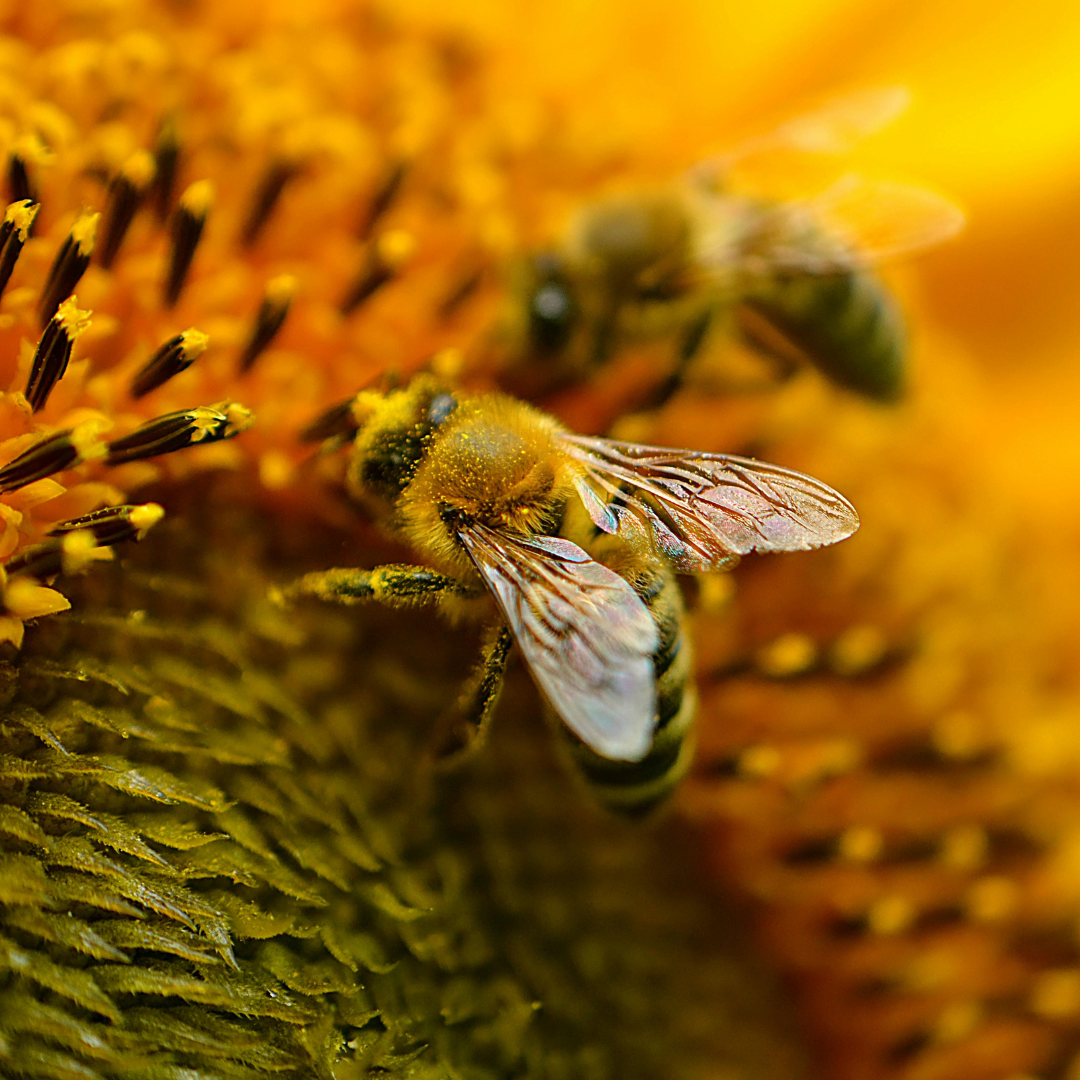
Bees, butterflies, hummingbirds, and other pollinators are especially active during this time of year. Their presence reminds us of the interconnectedness of life and the countless relationships that support growth and flourishing within the natural world.
Gardens and Wildflowers
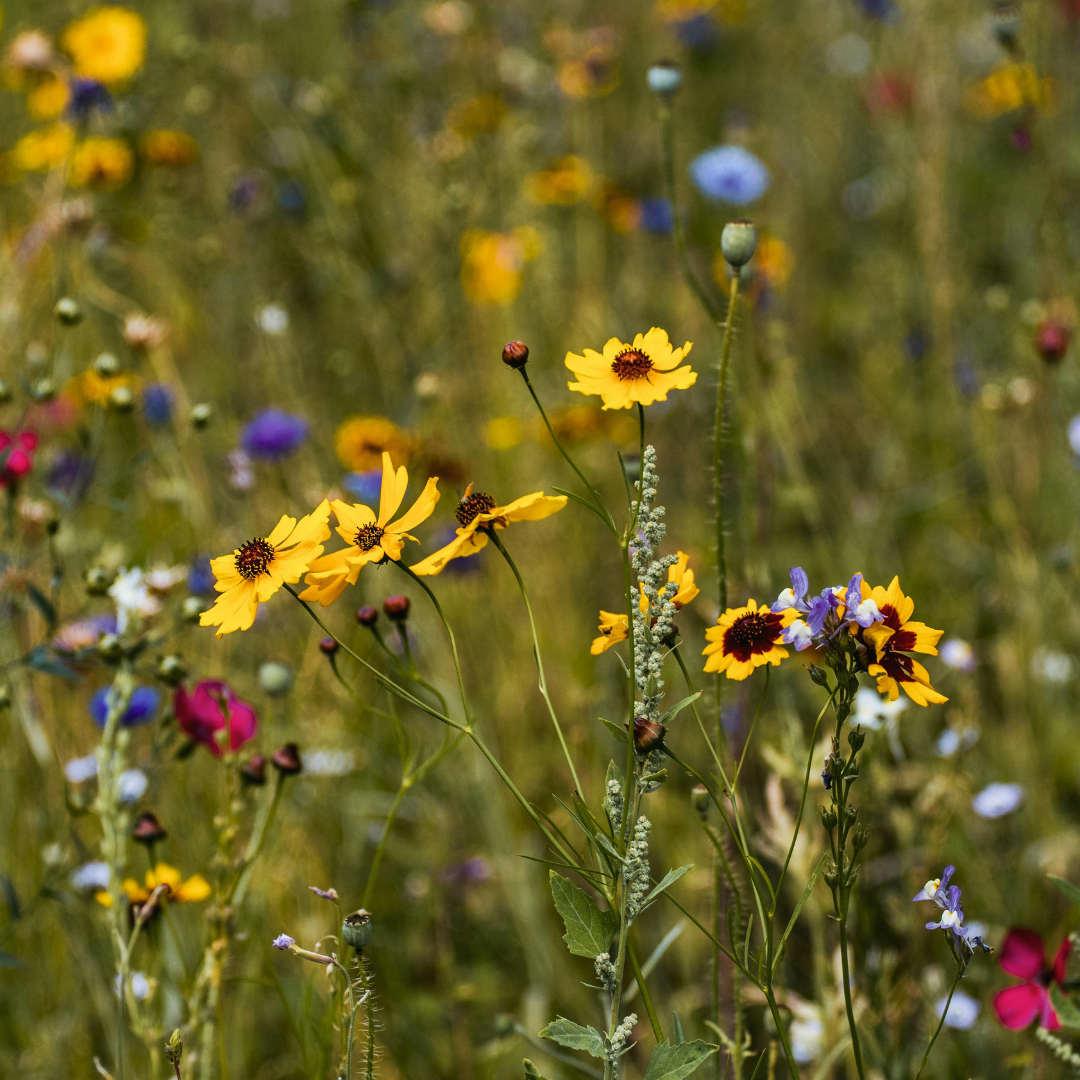
By midsummer, gardens are often thriving. Vegetables are growing rapidly, flowers are blooming, and the landscape is alive with color and activity. Gardens symbolize abundance, cultivation, and the visible results of care given over time.
Few flowers embody the spirit of midsummer more clearly than sunflowers. Turning their faces toward the sun as they grow, they have become symbols of vitality, joy, abundance, and the height of the growing season. Alongside blooming wildflowers, they reflect the beauty, energy, and fullness of summer.
Seasonal Colors
The colors of Litha reflect the richness and vitality of the season:
Yellow and gold for sunlight, warmth, and abundance
Green for growth, flourishing, and the fullness of life
Orange for vitality, creativity, and midsummer energy
Red for passion, strength, and the life force expressed through the natural world
Mythic & Archetypal Associations
Many Summer Solstice traditions center around solar deities, fertility gods and goddesses, and stories that celebrate life at its peak expression. While the specific figures vary across cultures, the underlying themes remain remarkably consistent: abundance, vitality, celebration, and humanity's enduring relationship with the sun and the natural world.
Litha Traditional Observances
Bonfires and Community Gatherings
Across many European midsummer traditions, communities gathered around large bonfires to celebrate the Summer Solstice. These gatherings often included music, dancing, storytelling, feasting, and social connection. Bonfires were lit to honor the sun at the height of its power, and fire served as a symbol of the warmth, vitality, and abundance associated with midsummer. As both a practical and symbolic source of light, fire became a focal point for celebration, bringing people together to honor the season.
Spending Time Outdoors
The Summer Solstice naturally invites people outside. Long daylight hours create opportunities for picnics, hikes, swimming, gardening, and gathering with friends and family. Simply paying attention to the landscape can become a meaningful midsummer practice. Noticing blooming flowers, active pollinators, ripening gardens, fireflies, birdsong, and long evenings helps cultivate awareness of the season and our place within it.
Working with Flowers and Herbs
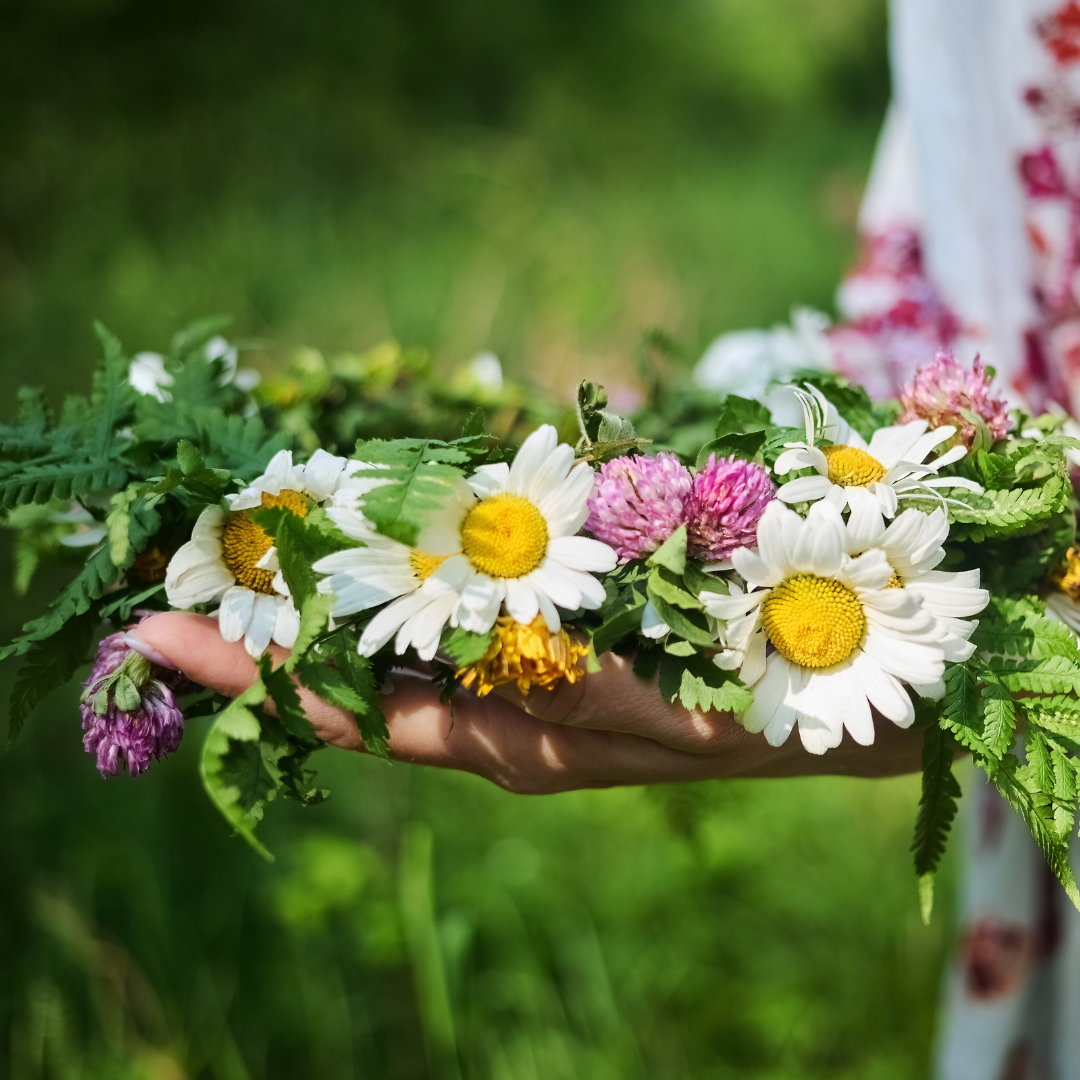
Many traditions associate the Summer Solstice with gathering flowers and medicinal herbs. Bouquets, flower crowns, garlands, and seasonal decorations reflected the beauty of the landscape and were used to decorate homes, gathering spaces, and celebrations.
Enjoying Seasonal Foods
Fresh berries, garden vegetables, herbs, honey, and baked goods often featured in midsummer celebrations. Preparing or sharing a meal with seasonal ingredients offers a tangible way to connect with the abundance of the season.
Greeting the Sun
Because Litha marks the longest day of the year, many people choose to watch the sunrise or sunset as a way of acknowledging the seasonal turning point. Taking a few moments to notice the changing light can become a simple yet meaningful midsummer ritual.
Why astrology? Why the seasons? Why any of this?

Reorientation explores why I continue returning to practices like astrology, seasonal living, embodiment, and ritual—not as systems to believe in, but as ways of paying attention. If you're curious about the bigger ideas behind these series, start there.

Litha Reflections
Appreciating Abundance
The Summer Solstice arrives at a time when the natural world is full of growth, color, and activity. Gardens flourish, pollinators are busy, and the landscape feels alive with possibility.
What in your life is currently flourishing?
What sources of abundance, support, or beauty might deserve greater recognition?Celebrating What Has Grown
The first half of the year has carried us from winter's stillness through spring's emergence and into the fullness of summer. Litha offers an opportunity to pause and acknowledge what has taken root and grown.
What have you cultivated, created, learned, or nurtured over the past several months?
What accomplishments, relationships, or experiences deserve celebration?Making Space for Joy
Across cultures, midsummer has long been associated with gathering, celebration, and enjoyment of the season's abundance. This can serve as a reminder that joy is not something we have to earn.
What brings you alive right now?
How might you make more space for pleasure, play, creativity, or connection this season?Participating in the Season
The landscape itself invites engagement. Long days, warm evenings, blooming flowers, and thriving gardens offer countless opportunities to connect with the natural world.
How might you participate more fully in the season around you?
What simple experiences would help you feel more connected to summer?Practicing Gratitude
Midsummer reminds us to pause and appreciate what is already here. Before the season begins to shift again, there is value in taking stock of what is present and meaningful.
What are you most grateful for in this season of your life?
What would it look like to spend less time focusing on what is missing and more time appreciating what is already flourishing?
Cartomancy
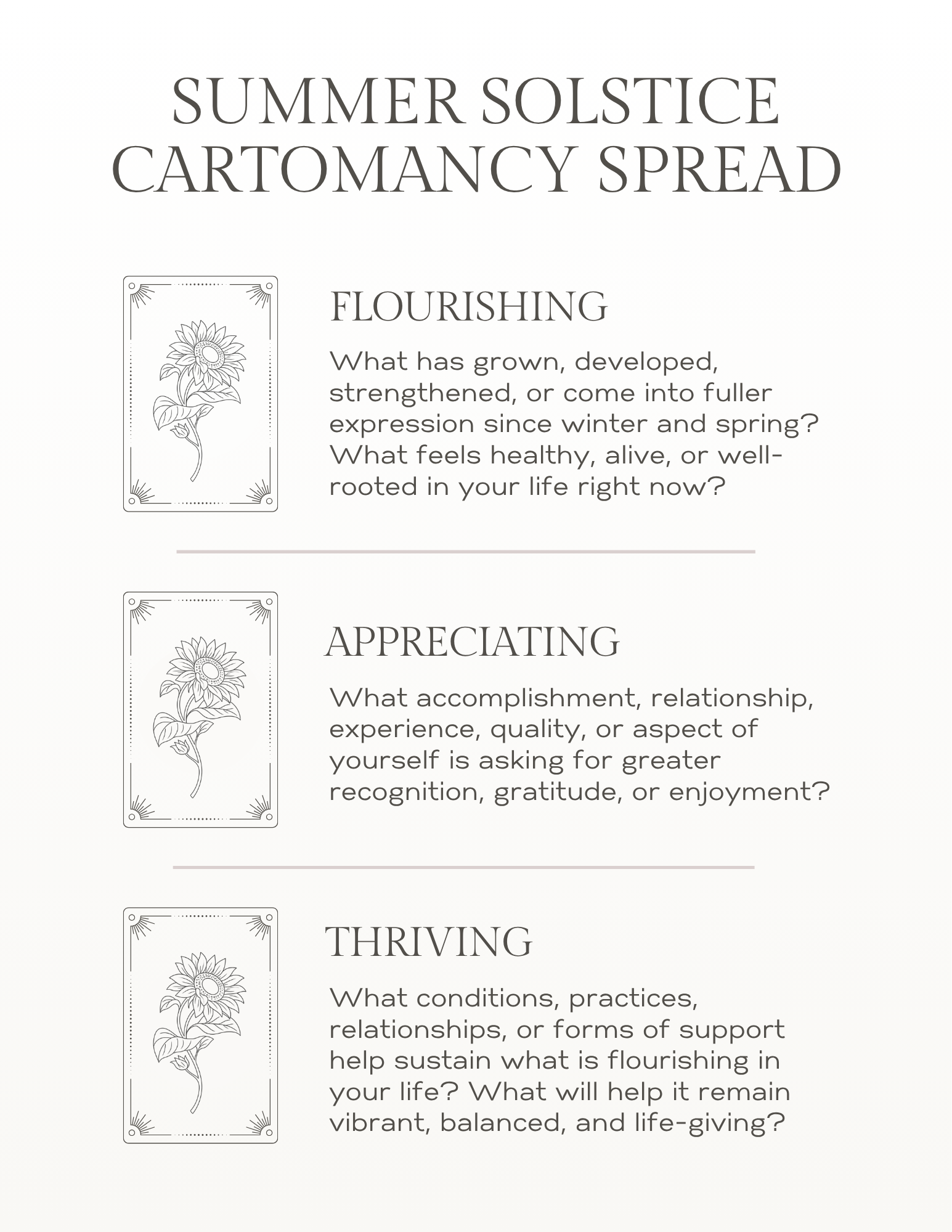
The following three-card tarot or oracle spread is offered as a reflective practice for Litha. It centers on the themes of abundance, vitality, gratitude, and celebration that accompany the Summer Solstice. Rather than focusing on what comes next, this spread invites reflection on what is already flourishing and how you might more fully appreciate and participate in the season at hand.
Wishing you a blessed Litha.

This post is offered for educational and reflective purposes only, and is not intended as medical or mental health care. Please see the full Disclaimer for details.